


What are microplastics and how to remove microplastics from water
Sustainability | 04-11-25
Worldwide, there are growing concerns about the potential impact of drinking water contaminated with microplastic particles on human health. Recent research has found that the average person ingests the equivalent of a credit card’s worth of plastic in just one week. That's the same as ingesting 2,000 small plastic particles, with around 1,700 of those tiny pieces of plastic coming from drinking water.
Faced with the fact that we could be consuming such large quantities of microplastics in our drinking water each week, the importance of water filtration has never been clearer. Let's take a closer look at the microplastics problem.
What are microplastics?
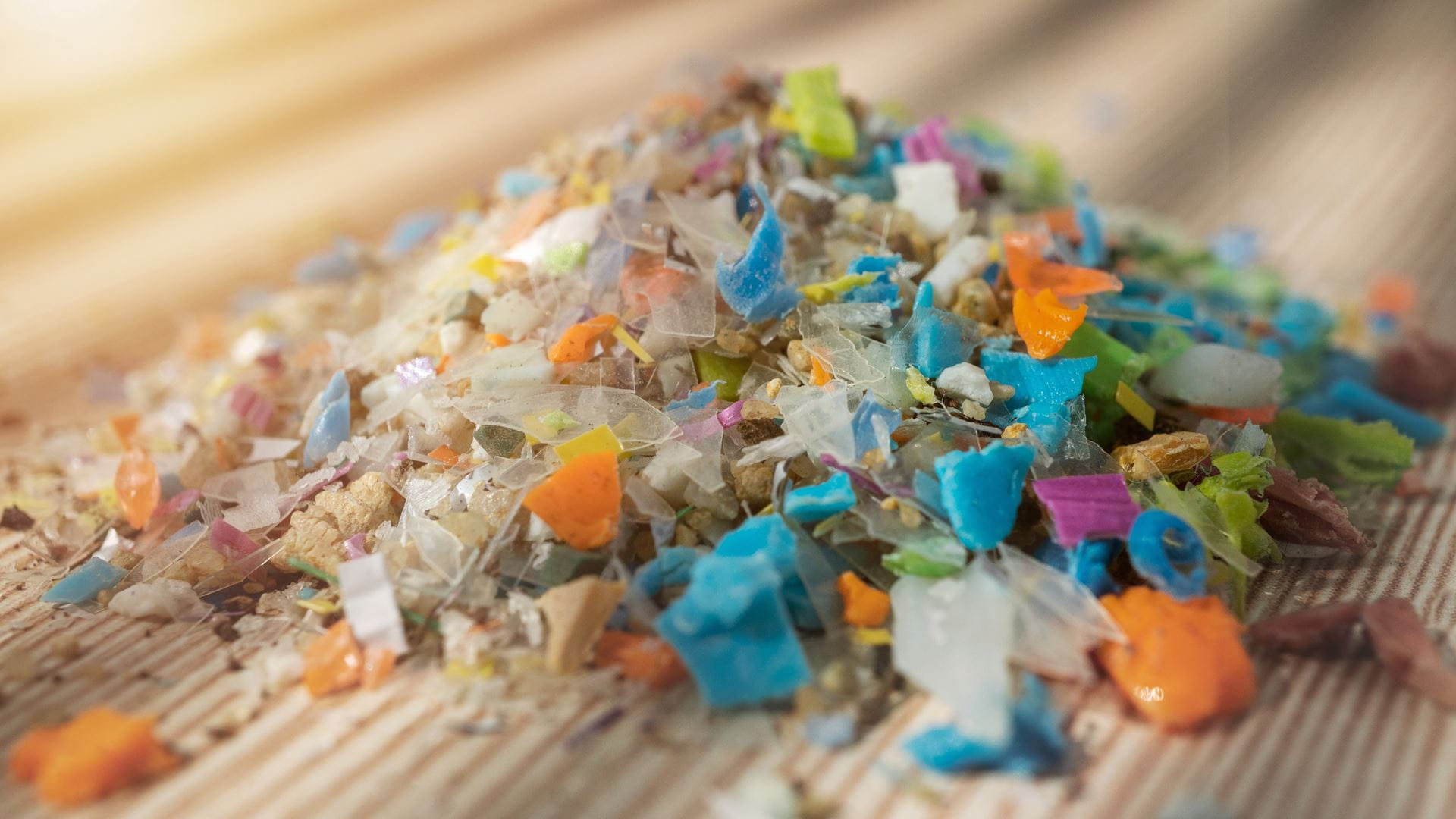
Microplastics are tiny particles of plastic (5mm or smaller), and can be categorised by source. There are two main types of microplastics: primary and secondary.
-
Primary microplastics are purposefully made to be small. For example, microbeads used in cosmetics and shower gels.
-
Secondary microplastics are created by larger plastic products breaking down into smaller fragments. Waste plastic products, such as those made of polystyrene or polyethylene terephthalate (PET), are often responsible for creating these secondary plastic particles.
Microplastics are too small to be picked up by basic water filtration systems or filter jugs, and can easily make their way into our lakes, rivers, and oceans.
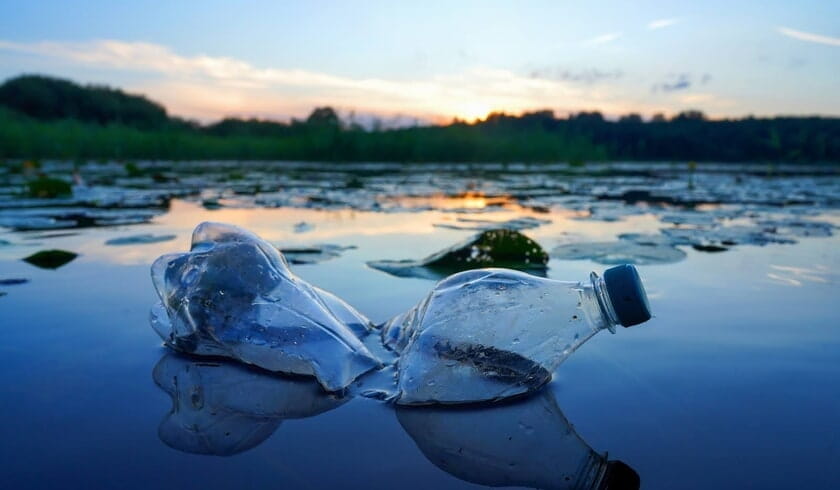
These particles can contaminate the wider environment and enter the food chain when consumed by animals. This has health consequences for animal life as well as humans, not to mention the fact that this plastic pollution could remain in our water forever.
How to avoid microplastics in water
Although standard unfiltered tap water in the UK is one of the most regulated in the world, each glass can still contain microplastic particles.
That's because industrial water filtration systems are unable to filter out microplastics completely, resulting in direct exposure to plastic particles and other contaminants and chemicals. There might even be traces of lead in your tap water if your house has old pipes, which can be harmful for pregnant women and children.
Are there any water filters that remove microplastics?
Removing up to 99.8% of contaminants throughout their life, our market-leading filtration technology stands apart from the competition, even eliminating the impurities you can't see, smell or taste.
The science behind our MicroPurity™ technology is an advanced 8-in-1 filtration system that is certified to reduce the 8 most harmful contaminants in drinking water:
-
Chlorine taste and odour
-
Sediment
-
Lead
-
Limescale
-
Bacteria growth
-
Microplastics
-
PFAS
-
Asbestos
What’s the solution to the microplastics problem?
Buying bottled water may seem like a simple way to avoid contamination of drinking water. However, research has found that 93 percent of single-use bottled water contains microplastics. It's also been found that the amount of microplastics in bottled water could be double that of tap water.
Further, the vast number of single-use plastic water bottles that go to landfill or end up in our oceans contributes to the quantity of microplastics in the global water system, forming a continuing cycle of contamination that's as bad for humans as it is for the planet. Find out more about Zip Sustainability.
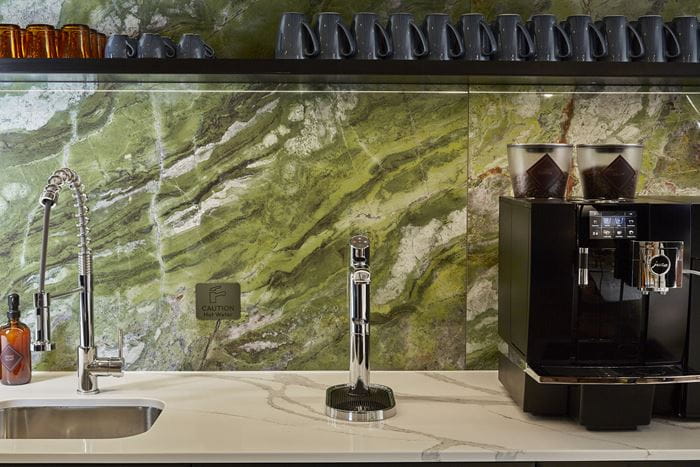
Avoid microplastics with first-class filtration from Zip Water
The most effective way to ensure that your water is free from microplastics and contaminants is to use a high-quality, mains-fed water filtration system. Installing an advanced drinking water system, such as HydroTap, will give you easy access to pure-tasting, delicious drinking water.
Our market-leading filtration technology effortlessly removes microplastics and other contaminants from drinking water, all while retaining beneficial minerals such as calcium and potassium. Investing in HydroTap will also reduce your reliance on single-use bottles, helping to keep waste plastic materials out of the environment and lower your carbon footprint.
By effectively filtering microplastics from your drinking water, HydroTap makes sure you experience water at its best, every single day.
FAQs about microplastics and drinking water
Are there microplastic particles in drinking water?
Microplastic particles are found in tap water and in bottled water, so filtering your water is beneficial for human health. Even in the UK, where rules about the quality of tap water are strict and water standards are high, microplastics have still made it into the water supply.
How to detect microplastics in tap water
It can be difficult to determine the level of contamination in tap water without access to lab testing. But we know that microplastics have been identified throughout the natural world and have entered into our water systems, our food, and the wider environment.
What is the best way to remove microplastics from water?
An advanced drinking water system, like HydroTap, is the best way to remove microplastics from your drinking water thanks to its market-leading filtration technology, which is 25 times more effective than a standard water filter jug.
Does boiling water remove microplastics?
Boiling water can remove some microplastics. Researchers have shown when boiled for five minutes, microplastics become trapped in the crystalline shapes formed by minerals, such as limescale and calcium carbonate that are present in tap water. But this is impractical for achieving clean chilled or room temperature drinking water, especially in a work environment.
What are the best water filters for microplastics?
Zip Water's MicroPurity™ filters are built to filter microplastics out of the boiling, ambient, sparkling, and chilled water, so you can enjoy a refreshing drink without worrying about what's in it.
For more information about how HydroTap can filter out microplastics and deliver pure-tasting drinking water, find your HydroTap today.