



7 ways to make your university campus more sustainable
Sustainability | 13-09-21

University campuses are mini smart cities, with their own residences that house thousands of students and staff, stores, gyms, and medical and research facilities. Because these areas are highly populated and function independently, they produce a lot of waste. How that waste can be managed is key when planning for a sustainable future.
What is the link between universities and sustainability?
Sustainability at universities is crucial in instituting widespread change and progress. As centres of learning and innovation, higher education settings have a crucial role to play in creating sustainability strategies that support wider environmental sustainability goals.
Facilities managers at universities must start adopting environmentally conscious waste management strategies, addressing issues from single-use plastics to greenhouse gas emission, to improve the experience of current students while protecting the environment for future generations.

How UK universities are promoting sustainability
Sustainability isn't just about reducing waste; it encompasses a broader vision of sustainable development that both directly and indirectly addresses the need for climate action, with the aim of creating a healthier environment for all – including a university's campus community, students, and residents. Ambitious plans and innovative strategies that promote sustainability are crucial in order for universities to meet the demands of sustainable transformation.
All universities in Wales have signed up to six commitments on climate change, as part of a report published by Universities UK. Other UK institutions include green skills and environmentalism in their research and teaching curriculum, empowering the next generation to tackle the growing climate emergency.
How sustainable institutional strategy impacts the QS World University Rankings
The number of universities participating in the QS World University Rankings: Sustainability more than doubled between 2023 and 2024. These rankings show prospective students how your university is delivering sustainability, and is a useful resource for tracking sustainable development goals across higher education institutions. More and more prospective students are interested in green values, and want to know what an institution's priorities are in terms of the planet.
Net zero, one drop at a time
At Zip Water, sustainability is very important to us – and we're committed to becoming the world's number one provider of sustainable drinking water solutions.
That includes supporting higher education settings so they can achieve their sustainability goals. By introducing innovative solutions and fostering a better vision of environmental stewardship, we can work collectively towards a future in which the world's natural resources are carefully managed.
We want to support facilities managers in making the move towards green campuses by kickstarting initiatives and implementing new, cutting-edge technologies. You can learn how facilities managers can improve their environmental, social, and governance (ESG) strategy to enhance working conditions for all in our landmark white paper.
How to champion environmental sustainability in higher education
Many universities are investing in energy-efficient buildings, renewable energy, and biodiversity initiatives. But there are other, more manageable ways for universities to work towards net zero.
In 2026, many universities are adopting a 'whole-institution approach' to integrate sustainability into all aspects of campus life.
By embedding sustainability into campus waste reduction and disposal practices, facilities managers and sustainability leads can help curb the detrimental effects of global warming, and contribute to the UK's broader sustainability goals.
Here are 7 ways to make your university campus more sustainable:
1. Ban disposable items and promote a refill revolution
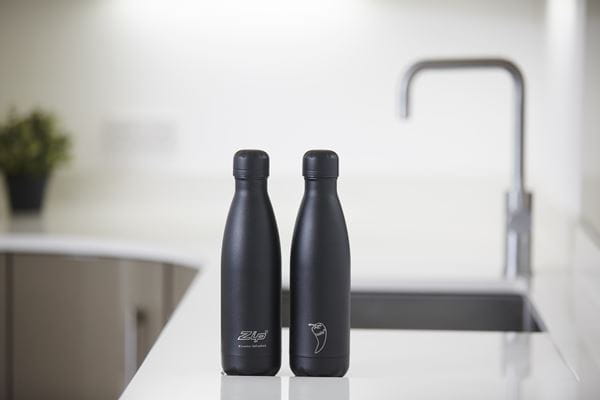
Single-use plastic cutlery, plates, cups, bags, water bottles, and straws can take hundreds of years to degrade and contribute to widespread ocean pollution. Encouraging students to switch to multi-use, reusable versions of these items can reduce waste and costs in the long term.
These items are also largely customisable, so students can express their style while remaining environmentally friendly. Eco-friendly packs of these items can be sold or distributed during student events like Freshers Week to promote awareness of green practices – why not create branded reusable items that also promote your university?
You can alert students to the presence of refill facilities by joining Refill, an app and campaign that shows participating institutions on a refill map, giving quality assurance and allowing students to find refill points with ease.
2. Limit plastic containers in campus shops and on-campus catering
Toiletries, such as shampoos, conditioners, and soaps, as well as cleaning products and detergents, all come in plastic packaging. Plastic packaging in the UK makes up 70% of all our plastic waste, and with only 9% of all plastic waste actually being recycled, these single-use containers pile up in landfill or are disposed of in our oceans.
To combat this, change shop stock and sell eco-friendly, zero waste products such as bar shampoos, conditioners, and soaps. These come with plastic-free packaging and can be stored in reusable containers, which will significantly reduce waste. Adding plastic-free refill stations within shops where students can bring their own containers to fill with food staples and cleaning products will also promote zero waste and eco-conscious practices.
Finally, consider transitioning to compostable packaging for pre-made food sold in campus shops or catering facilities.

3. Go paperless for climate action
Worldwide paper consumption has risen drastically in the last 40 years, and the paper industry is the fifth largest consumer of energy in the world. Going digital and saving paper is crucial for using less water, conserving energy, protecting the environment, and saving money.
Digital options such as student platforms (Blackboard) and apps (Evernote) can help academics and staff by making it easy to provide online hand-outs. Google Drive is a straightforward, secure way to create and send documents and feedback, and Google Calendar helps with tracking deadlines.
4. Invest in sustainable transport to reduce emissions
Transportation is the biggest source of greenhouse gas emissions in the UK, according to government data. All methods emit harmful pollutants, so it's important to promote more environmentally-friendly transport as an accessible alternative to minimise your carbon footprint.
Encourage students and staff to choose low-carbon, healthy transport options. When walking or cycling isn't practical, public transport remains a great alternative to using personal vehicles. Universities can facilitate reducing single-occupancy car trips by creating links with bus operators and providing discounted bus passes for students.
Consider providing better cycling infrastructure by increasing cycle paths and parking spaces, as well as on-campus facilities like showers and lockers. Providing low-cost bike hire and Cycle to Work schemes will further influence eco-friendly practice, increase student and staff wellness, and boost your environmental credentials.
Many UK universities are offering advice to students on how to make a difference and reduce carbon emissions while participating in higher education. Pages on travel, such as this one produced by Queens University in Belfast, give advice on greener ways of commuting. This allows students and staff to plan their journey and determine which method of transport is best suited to them.

5. Create a recycling culture at university
Throwing out all rubbish as general waste contributes to the rapid growth of landfill sites, which emit greenhouse gases. Recycling is an effective waste management method that facilities managers can make easily accessible for students.
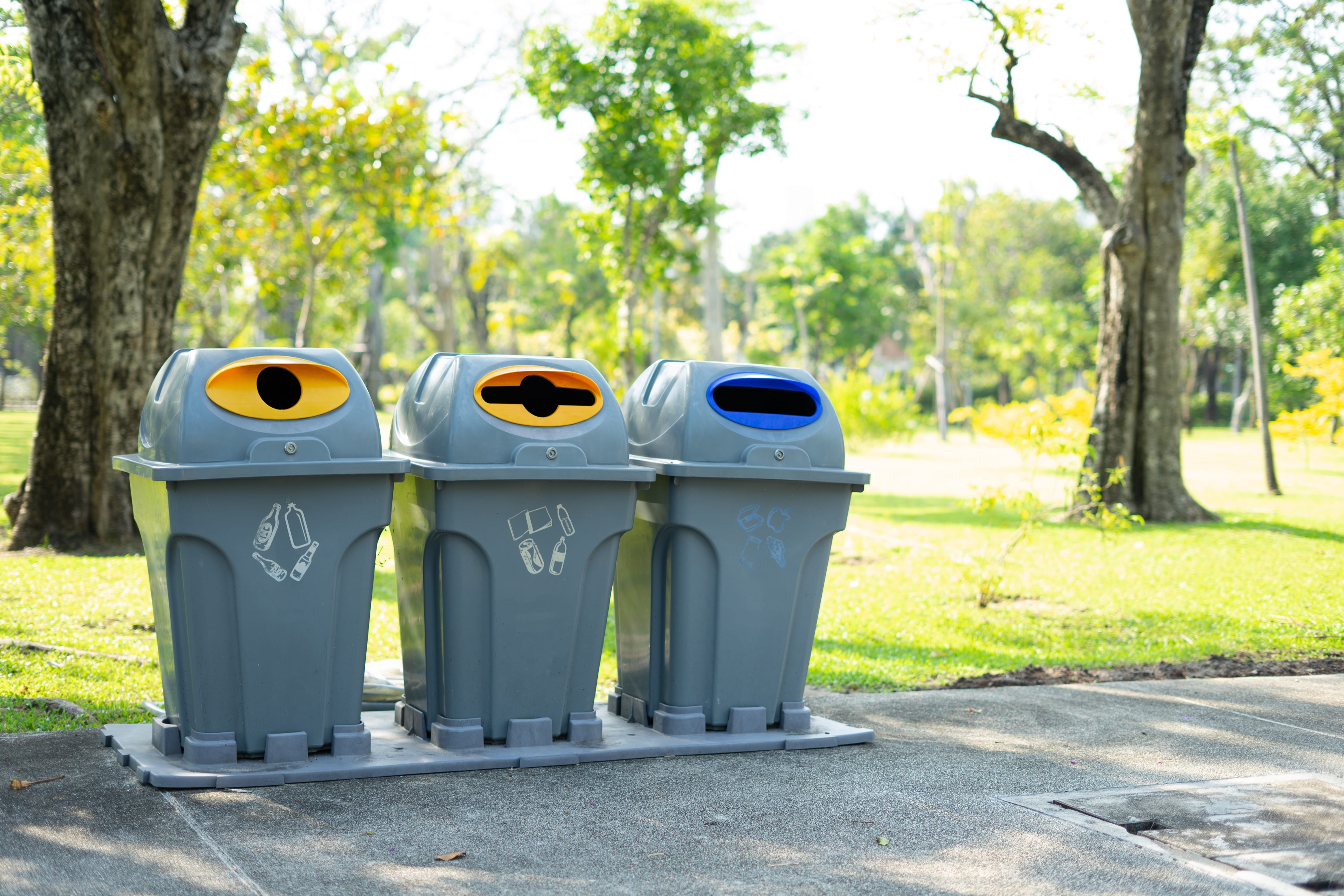
Become a more sustainable university by introducing a standard style of bins across campus – aim to have them colour-coded with proper signage and images showing what waste goes where. By placing them near high-use areas, such as sports facilities, classrooms, and catering facilities, students and staff will be more likely to properly dispose of their waste.
Another method is to introduce recycling initiatives in the form of collecting furniture, duvets, clothes, and kitchenware at the end of the school year to reuse, repurpose, and recycle for future students.
6. Reduce food waste to curb emissions
The UK produces over 10 million tonnes of food waste every year, leading to 25 million tonnes of greenhouse gas emissions, including methane – a pollutant that's 86 times more powerful than carbon dioxide over a 20-year period.
are to donate unwanted food items, or with an organics recycler to recycle food waste into green energy and fertiliser.When food waste accumulates in landfills and decomposes, it emits high levels of methane – and landfills are thesource of 20% of global methane emissions. Sustainable educational settings can reduce landfill waste by connecting with a food-waste reduction network such asFareSh
Alongside this, campus catering can offer regular food samples and carry out surveys to identify popular student dishes, helping reduce waste. Catering facilities such as canteens, student bars, and student unions can also provide compostable takeaway boxes for students and staff to take food home instead of throwing it out.

7. Introduce campus-wide sustainable practices
The environmental impact of universities can be greatly improved through widespread eco-friendly practices and operations, boosting your institution's overall environmental credentials.
These include reducing reliance on fossil fuels by using renewable energy sources, switching to biological cleaning materials, and organising student environment awareness day events. Introducing touch-free drinking water systems will assist with energy and water conservation, and help eradicate single-use plastic drinking bottles.
Making water stations available across campuses – from our HydroChill mains-fed filtered drinking water dispenser to our new flavour-enhanced water dispenser, Twist – will help make sure students remain hydrated with purer-tasting filtered drinking water in a more sustainable way.
Our flagship HydroTap is also designed with energy efficiency and water saving in mind – and offers filtered boiling, chilled, and sparkling water at the touch of a button. Just make sure that you safely recycle your CO2 canisters with our CO2 canister recycling scheme – which is completely free to use.
Tackling climate change in the higher education sector
Creating a sustainable university campus requires a multifaceted approach that includes reducing waste, promoting sustainable practices, and using innovative and sustainable products.
By implementing these, facilities managers can significantly reduce their university's environmental impact, contribute to combating climate change, and foster a culture of sustainability that extends beyond campus.
Discover how we support the education sector today.
You can also read about
Zip at the University of East Anglia and our
University Of The West Of Scotland case study