


Sustainability, Technology, and the workplace: How smarter drinking water systems support a greener future
Workplace | 25-08-26

Sustainable technology is changing the way businesses plan, operate, and grow. From electric vehicles and renewable energy to smart buildings, solar panels, artificial intelligence, and data-led ESG reporting, technology is helping companies reduce their environmental impact while improving efficiency.
But sustainable technology is not only about the most visible innovations. It's also about the everyday systems businesses choose. The products, services, and technology solutions that support better use of energy, water, materials, and natural resources.
Offices, commercial buildings, hospitality spaces, healthcare settings, education environments, and co-working or shared workspaces all rely on systems that are used every day. That means lighting, heating, cooling, washrooms, waste management, and drinking water will all impact a building’s carbon footprint, as well as the user experience.
In this blog, we look at what sustainable technology means, how it can support business sustainability goals, and why smarter drinking water systems deserve a place in the conversation.
What is sustainable technology? A quick explainer.
Sustainable technology refers to technology created for or applied in consideration of environmental, social, or economic sustainability factors. Sustainable technology can help organisations to measure, refine, and report their progress towards achieving sustainability goals to stakeholders.
For commercial businesses, that means it's about choosing systems that help to reduce waste, lower energy consumption, improve decision-making, and support long-term sustainability goals.
Why does sustainable technology matter to businesses?
Sustainability is no longer a separate business conversation. It's part of how companies manage their buildings, choose their suppliers, report on their progress, and create better places for people to work.
Businesses are under increasing pressure to reduce carbon emissions and greenhouse gas emissions, manage resources responsibly, meet regulatory requirements, and show clear progress against their sustainability ambitions.

The importance of sustainable technology is that it can turn broad sustainability efforts into practical, measurable action. From tracking energy consumption and emissions production to improving visibility across the supply chain, sustainable technology can help businesses understand where they are today and where improvement is possible.
Sustainable technology can also help organisations improve their brand reputation by attracting and retaining environmentally conscious talent. As employees, customers, and stakeholders become more environmentally conscious, businesses that invest in sustainable innovation are better placed to show they are taking meaningful steps towards a lower-impact future.
The importance of the specification stage
Systems chosen at the design, specification, or refurb stage can shape energy usage, maintenance requirements, operational efficiency, and environmental performance for years to come.
That's why sustainable technology has such an important role to play: it can help businesses measure what's happening, identify opportunities for improvement, and make more sustainable choices easier to act on.
Sustainable technology is more than one big change
When people think about sustainable tech, they often think of electric vehicles, renewable energy, solar panels, smart sensors, data platforms, and AI. All of these have an important role:
-
Electric vehicles can help reduce fossil fuel use.
-
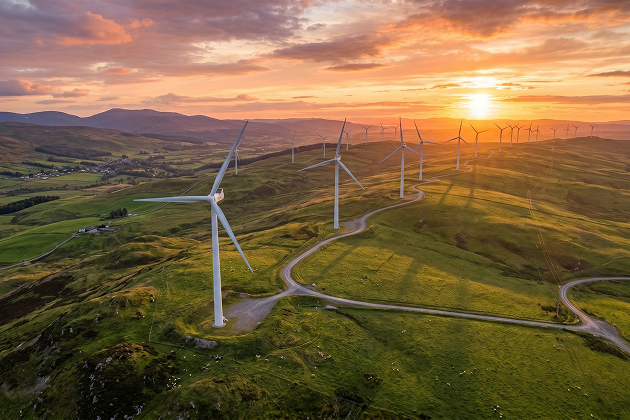
Solar panels can support cleaner energy generation.
-
Smart sensors can help buildings respond to real-time usage.
-
AI can support better decision-making by helping companies understand where energy, emissions, waste, and resources are being used.
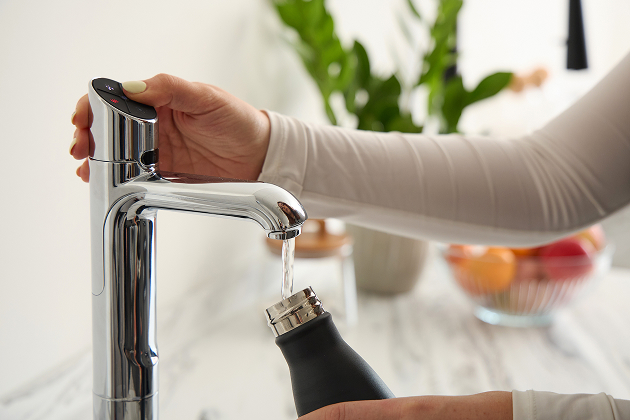
But sustainable technology also works at a smaller, everyday level. It can be the energy-efficient lighting in a meeting room. The smart heating controls in a shared office. The efficient washroom water heaters in a commercial building. And the drinking water system that helps people refill bottles instead of relying on bottled water.
A more sustainable future, then, will not be created by one technology alone. It will be shaped by many technologies, many better choices, and many better habits – across every part of a business.
How sustainable technology can reduce your environmental impact
A workplace’s environmental impact is shaped by a wide range of factors, including energy, water usage, waste, transport, materials, maintenance, and each product's life cycle. Sustainable technology can help businesses address these areas in a few ways:
-
It can reduce energy consumption. Smart, efficient systems can help avoid unnecessary energy use and support lower running costs over time.
-
It can reduce waste. Products designed to last, be maintained, recycled, or reused can support a circular economy and reduce the amount of technology waste created through replacement.
-
It can help reduce emissions. Less energy waste, fewer deliveries, reduced reliance on single-use products, and more efficient transport can all contribute to a lower carbon footprint and support efforts to address climate change.
-
It can improve visibility. ESG data, usage insights, and smart environmental calculators can help companies understand sustainability performance, report progress, and make better decisions with greater transparency.
-
It can support total cost considerations. By implementing technologies that are designed to be efficient and easier to manage, businesses can often reduce unnecessary waste while creating better long-term value.
Why workplace drinking water technology matters
Drinking water may not be the first thing you think of when you consider sustainable technology. But in commercial environments, it's used every day, often by hundreds or thousands of people. That makes it an important part of the sustainability conversation.
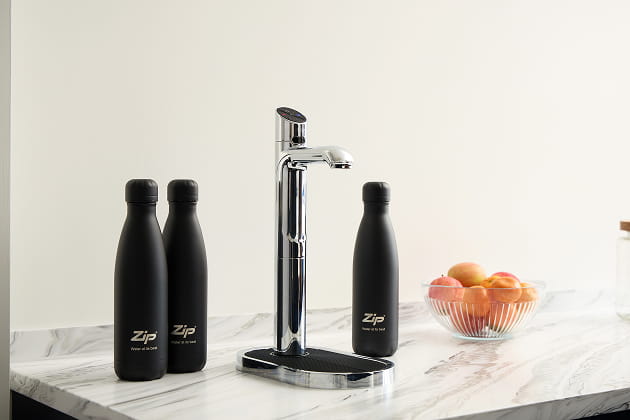
Traditional approaches to workplace hydration can create unnecessary environmental impact. Bottled water relies on plastic, packaging, transport, storage, and removal. While poorly placed or poor-tasting water points can reduce refill behaviour and make people more likely to choose single-use drinks.
Smarter drinking water technology offers a more practical alternative. By giving people easy access to filtered, great-tasting water, businesses can support hydration while reducing reliance on bottled water and their consumption of plastic.
Reducing carbon footprint through smarter hydration with HydroTap
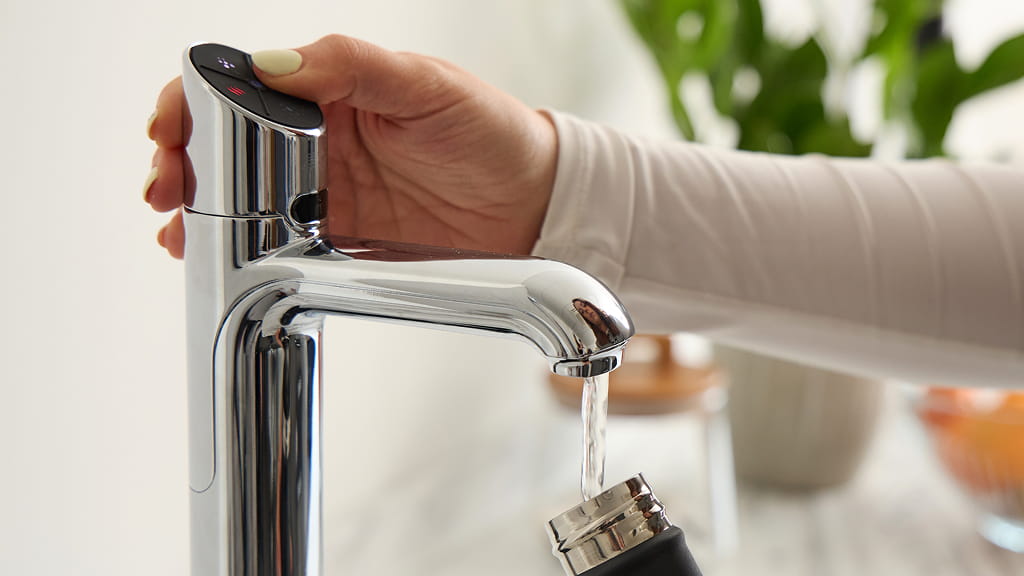
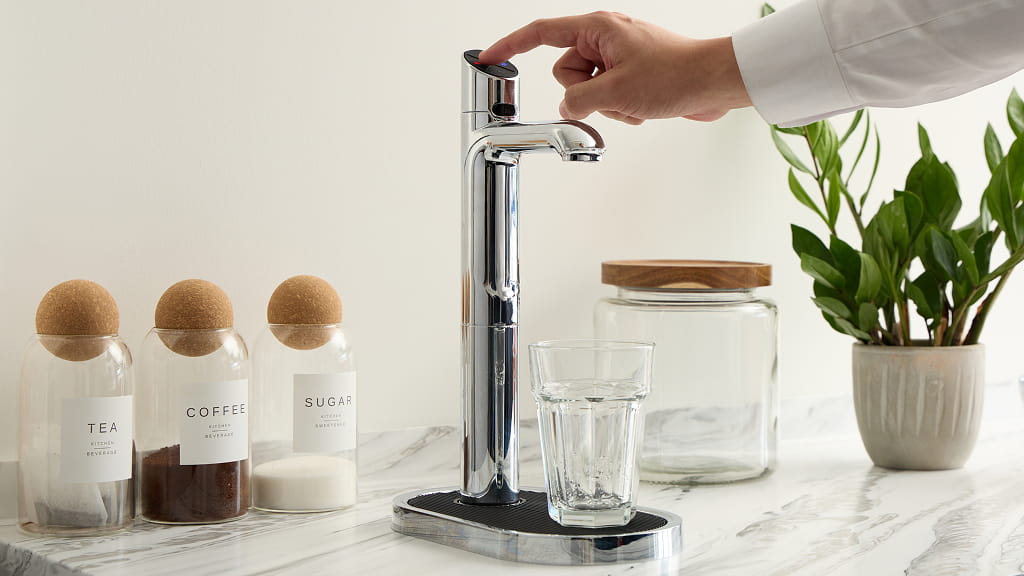
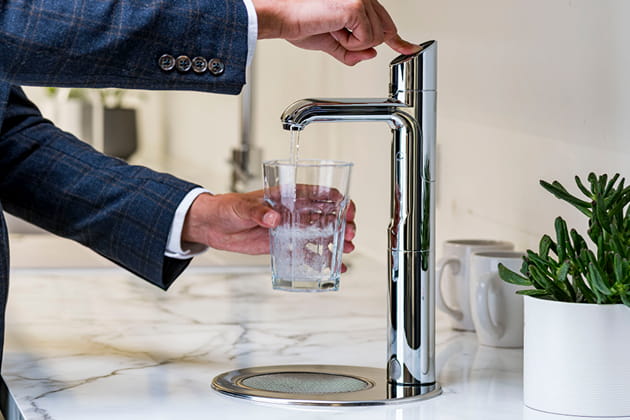
HydroTap is designed to make sustainable hydration simple, convenient, and appealing. By delivering instant filtered boiling, chilled, and sparkling water from one smart, convenient system, it supports you and your team, actively promoting a pro-hydration refill culture and helping to reduce reliance on single-use plastics.
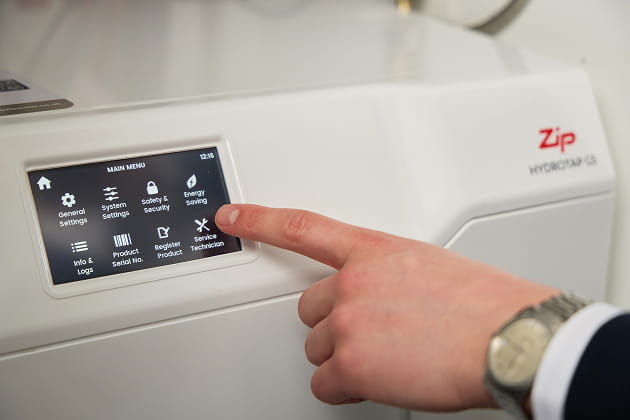
HydroTap is also designed with sustainability and efficiency in mind. Smart energy-saving modes help conserve energy during periods of low usage, while Zip’s patented PowerPulse™ technology regulates temperature with small, instantaneous bursts of energy for greater long-term efficiency. It's also 100% water efficient, which means the only water HydroTap uses is the water that's poured and enjoyed.
For businesses working towards sustainability goals, this matters. Sustainable technology shouldn't just look good on paper; it should improve workplaces, supporting better habits and reducing environmental impacts without adding more complexity.
Built to last across the product life cycle
A sustainable product should be considered across its full life cycle. That means looking at how it is made, how long it lasts, and how efficiently it performs, as well as how it's maintained and end-of-life disposal.
Technology’s life cycle matters because products that need frequent replacement can create more waste, more cost, and increase environmental impact. That's why Zip HydroTap is made from high-quality, durable materials and designed to last.
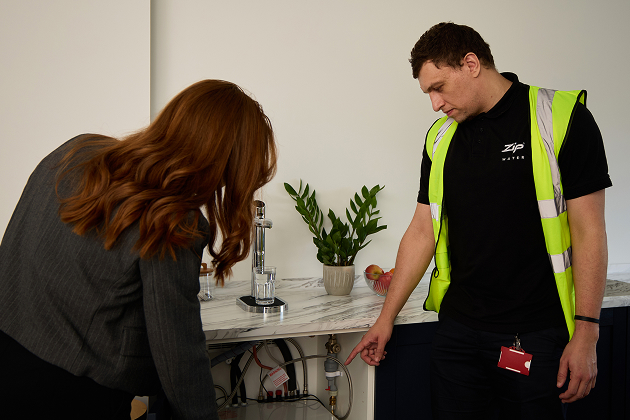
HydroCare, our tailored servicing and support offering, helps systems continue performing efficiently over time, reducing the need for unnecessary replacement. With over 100 directly employed Zip engineers, you can rest assured that those servicing your HydroTap are those who know the product best.
Packaging is part of the picture, too. HydroTap's packaging is made using recycled materials and is fully recyclable. For sparkling water products, we also offer a complimentary CO₂ canister recycling scheme, helping customers return used canisters for recycling.
Measuring sustainability with Zip’s environmental calculator
Sustainability goals are easier to work towards when companies can measure impact, compare options, and understand the difference their choices can make.
That's why we created an environmental impact calculator. The tool helps businesses explore the environmental impact of using HydroTap and compare it against alternative products. Discover the HydroTap environmental calculator here.Choosing sustainable technology for a better workplace and a more sustainable future
Sustainable technology is constantly evolving. New systems, materials, and business models are helping companies reduce emissions, manage resources more effectively, and create workplaces that are better for people and the environment.
For businesses looking to create a more sustainable workplace, drinking water technology is a practical place to make progress. It can help reduce single-use plastic, lower energy and water waste, support ESG goals, and improve the experience of employees, visitors, and building users.
More importantly, it's one of the sustainability solutions that people interact with every day. When smarter systems make it easier to refill, reduce waste, and access high-quality drinking water, they help turn achieving sustainability goals into an everyday behaviour.
Explore Zip HydroTap and discover how smarter drinking water technology can support your workplace, project, or commercial environment. Got a more specific requirement? Get in touch with one of our team today.